Archives
- 2026-05
- 2026-04
- 2026-03
- 2026-02
- 2026-01
- 2025-12
- 2025-11
- 2025-10
- 2025-09
- 2025-03
- 2025-02
- 2025-01
- 2024-12
- 2024-11
- 2024-10
- 2024-09
- 2024-08
- 2024-07
- 2024-06
- 2024-05
- 2024-04
- 2024-03
- 2024-02
- 2024-01
- 2023-12
- 2023-11
- 2023-10
- 2023-09
- 2023-08
- 2023-07
- 2023-06
- 2023-05
- 2023-04
- 2023-03
- 2023-02
- 2023-01
- 2022-12
- 2022-11
- 2022-10
- 2022-09
- 2022-08
- 2022-07
- 2022-06
- 2022-05
- 2022-04
- 2022-03
- 2022-02
- 2022-01
- 2021-12
- 2021-11
- 2021-10
- 2021-09
- 2021-08
- 2021-07
- 2021-06
- 2021-05
- 2021-04
- 2021-03
- 2021-02
- 2021-01
- 2020-12
- 2020-11
- 2020-10
- 2020-09
- 2020-08
- 2020-07
- 2020-06
- 2020-05
- 2020-04
- 2020-03
- 2020-02
- 2020-01
- 2019-12
- 2019-11
- 2019-10
- 2019-09
- 2019-08
- 2019-07
- 2019-06
- 2019-05
- 2019-04
- 2018-07
-
The adult muscle type acetylcholine receptor AChR
2023-11-09
The adult muscle-type POM 1 receptor (AChR), the exemplar pLGIC, is a heteropentamer comprising two α subunits, and one each of the β, δ, and ɛ subunits (Sine, 2012). These five subunits come together in a counterclockwise α-ɛ-α-δ-β arrangement (Figure 1A). Binding of acetylcholine to the AChR's tw
-
ha tag br Materials and methods br
2023-11-09
Materials and methods Results and discussions Conclusion Fermented camel milk with NS4 exhibited remarkable ACE-inhibitory activity, which revealed its potential application for the preparation of fermented camel milk beverage or fermented camel milk derived peptides in different foods or i
-
Considering the physicochemical stability results on Fig it
2023-11-09
Considering the physicochemical stability results on Fig. 5, it was observed that the particles are stable when they are stored at 4 °C for 30 days. After day 30, a significant increase was observed in particle size, but at the end of the 90 days the SLN particle size is still below 100 nm. Stabilit
-
Using our infection assays we also explored whether low
2023-11-09
Using our infection assays, we also explored whether low-pH compartments were required for the entry of ZIKVs in mammalian cells. Lysosomotropic agents such as ammonium chloride, chloroquine and Bafilomycin A1, strongly inhibited the ability of ZIKVs to enter mammalian cells. Our results are in agre
-
Additional support for a role of
2023-11-08
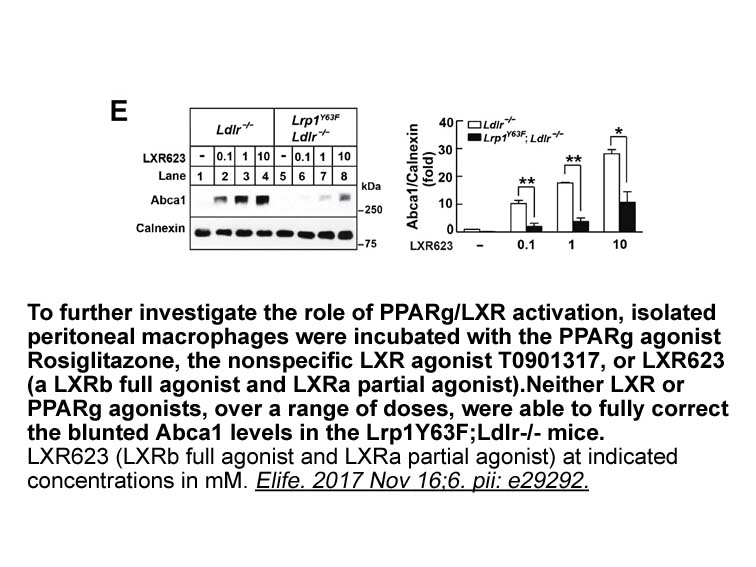
Additional support for a role of HMGN1 in enhancing DNA repair comes from studies of transcription-coupled repair (TCR) in human cells. Lesions in the template strand of DNA induced by UV light stall the movement of RNA polymerase II (RNAPII) and interrupt transcription. Removal of these transcripti
-
We have shown that an
2023-11-08
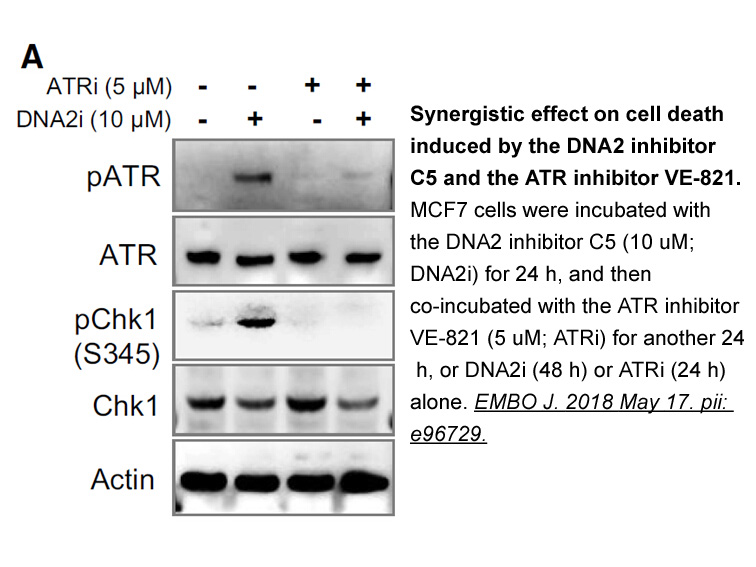
We have shown that an extensive region in SERBP1 (amino acids 354 to 474, using co-ordinates based on the full-length isoform, Figs. 1a and 2) is necessary for it to interact with RACK1; since this region has substantial homology to the corresponding region of HABP1 (Fig. 3) it is a reasonable hypot
-
To the best of our knowledge only cases of
2023-11-08

To the best of our knowledge, only 3 cases of an E196K mutation have been described since it was first identified in 2000 [15], [16], [17], although 5 cases, accounting for 1.1% of all genetic TSE cases, were reported with no precise data on the clinical phenotypes in the EUROCJD collaborative surve
-
Electron paramagnetic resonance studies of mixtures of
2023-11-08
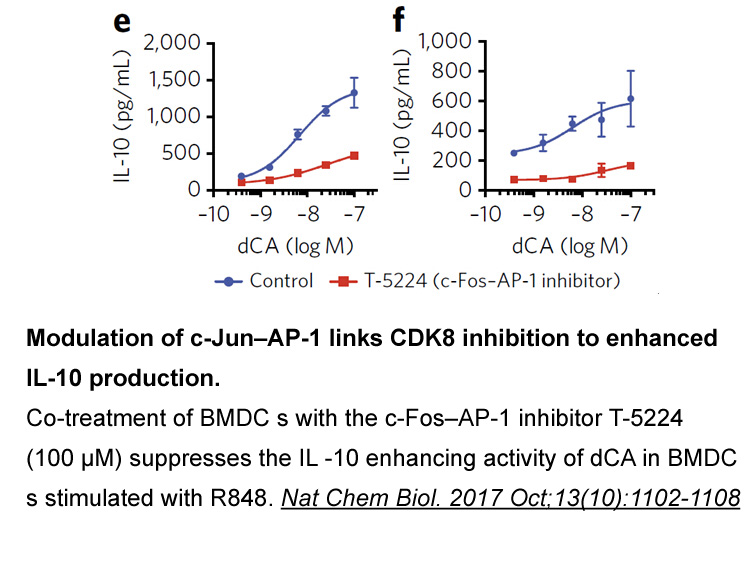
Electron paramagnetic resonance studies of mixtures of Aβ1–40 and Aβ1–42 suggest that interlaced fibrils might also form [40] where Aβ1–40 and Aβ1–42 is found within the same fibril. Considering the Aβ fold rather than the sequence, these observations imply two mechanisms that might lower the total
-
The current study was designed to
2023-11-08
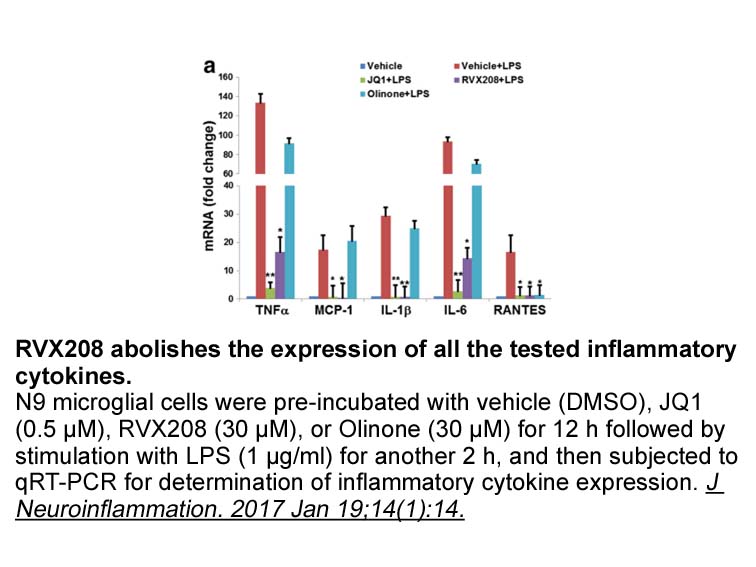
The current study was designed to investigate the effects of the 12/15-LOX inhibitor, LOXBlock-1 (LB1) in mice using a FeCl3-induced distal MCAO model, and to test its utility in conjunction with subsequent thrombolysis with tPA, which is to date the only FDA-approved drug for acute stroke treatment
-
Some of the earliest LOX inhibitors were redox inhibitors in
2023-11-08
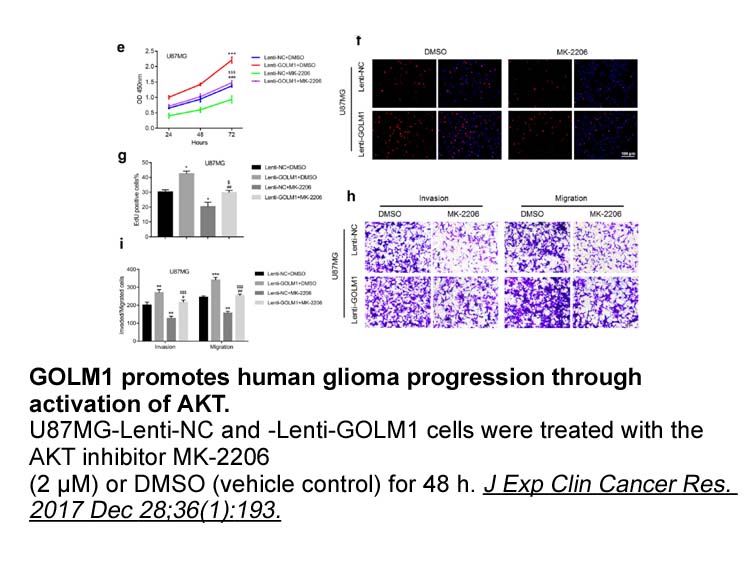
Some of the earliest 12-LOX inhibitors were redox inhibitors, including nordihydroguaiaretic SGC-CBP30 (NDGA), BW 755C, and baicalein 48, 49, 50. Redox inhibitors block the oxidation of the nonheme iron at the cataylytic site, preventing its conversion from the inactive (Fe2+) to the active (Fe3+)
-
br Conclusion br Conflicts of interest br Introduction Alzhe
2023-11-08
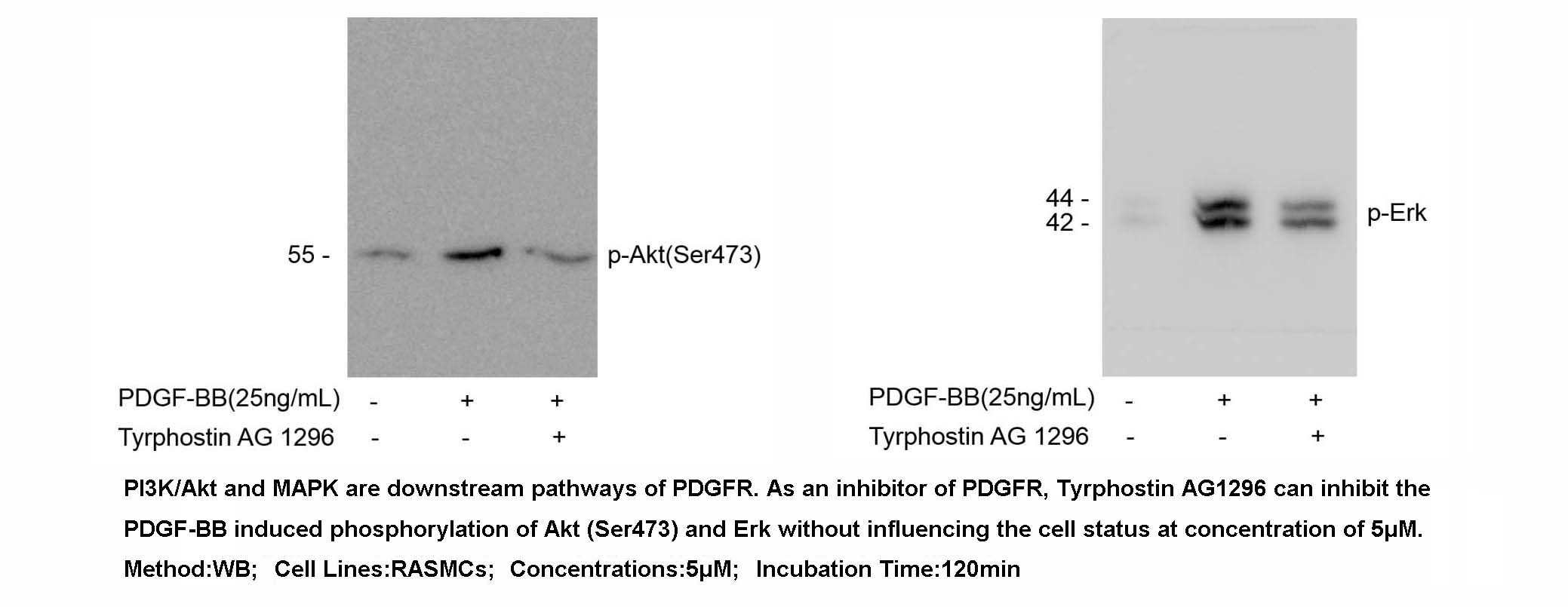
Conclusion Conflicts of interest Introduction Alzheimer’s disease is the most common neurodegenerative condition known to cause dementia (Ferri et al., 2005). Alzheimer’s dementia typically presents with initial recent episodic memory deficits, word finding difficulty and later with apraxia
-
br Materials and methods br
2023-11-08
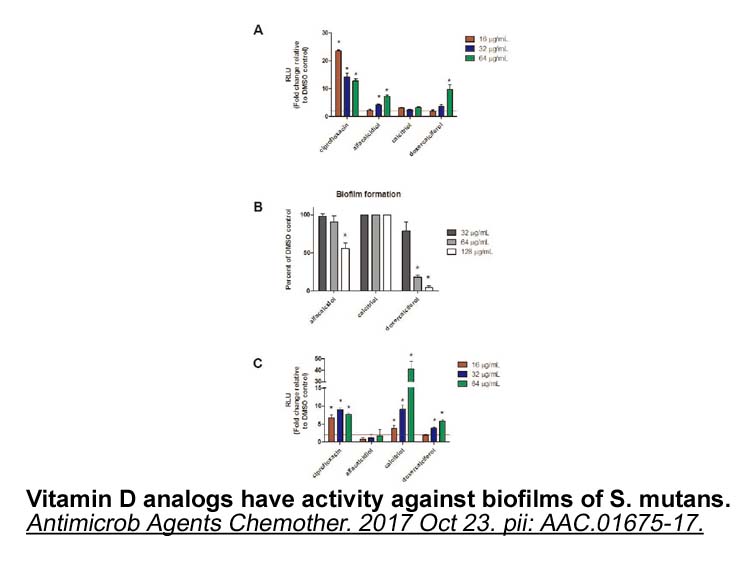
Materials and methods Results Discussion Wound healing of the human cornea is a complex process that requires cell migration and proliferation. Corneal wound healing is characterized by major changes in the composition of the ECM such as a massive transitory secretion of fibronectin combine
-
AdipoRon acts on the anti diabetic effects
2023-11-08

AdipoRon acts on the anti-diabetic effects of adiponectin, exhibiting its effect through the activation of AMPK and PPARα pathways via AdipoR1 and AdipoR2, respectively [23]. AdipoR activation is a promising treatment for diabetes, nonalcoholic fatty liver disease, and cardiovascular disease, demons
-
br Effective therapeutic window of AR actions on ROP
2023-11-08
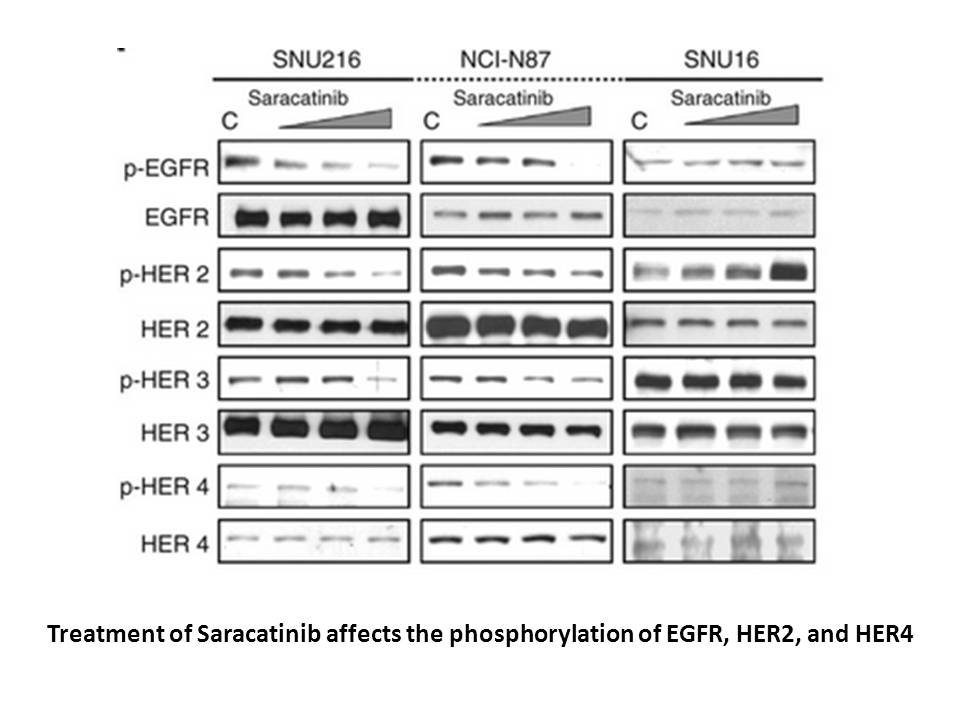
Effective therapeutic window of AR actions on ROP Retinal vasculature undergoes critical developmental changes postnatally: from P7 onward the superficial dpp-4 inhibitors start sprouting vertically in retina to form first the deep then the intermediated vascular plexus in the retina of C57BL/6
-
Synthesis pharmacological evaluation for the
2023-11-08
Synthesis, pharmacological evaluation for the binding at hA, hA and hA ARs, and efficacy at hA subtype of the synthesized compounds, together with the assessment of their theoretical ADME properties were the guidelines in this preliminary drug discovery investigation. The synthetic pathways which y
16141 records 265/1077 page Previous Next First page 上5页 261262263264265 下5页 Last page