Archives
- 2026-05
- 2026-04
- 2026-03
- 2026-02
- 2026-01
- 2025-12
- 2025-11
- 2025-10
- 2025-09
- 2025-03
- 2025-02
- 2025-01
- 2024-12
- 2024-11
- 2024-10
- 2024-09
- 2024-08
- 2024-07
- 2024-06
- 2024-05
- 2024-04
- 2024-03
- 2024-02
- 2024-01
- 2023-12
- 2023-11
- 2023-10
- 2023-09
- 2023-08
- 2023-07
- 2023-06
- 2023-05
- 2023-04
- 2023-03
- 2023-02
- 2023-01
- 2022-12
- 2022-11
- 2022-10
- 2022-09
- 2022-08
- 2022-07
- 2022-06
- 2022-05
- 2022-04
- 2022-03
- 2022-02
- 2022-01
- 2021-12
- 2021-11
- 2021-10
- 2021-09
- 2021-08
- 2021-07
- 2021-06
- 2021-05
- 2021-04
- 2021-03
- 2021-02
- 2021-01
- 2020-12
- 2020-11
- 2020-10
- 2020-09
- 2020-08
- 2020-07
- 2020-06
- 2020-05
- 2020-04
- 2020-03
- 2020-02
- 2020-01
- 2019-12
- 2019-11
- 2019-10
- 2019-09
- 2019-08
- 2019-07
- 2019-06
- 2019-05
- 2019-04
- 2018-07
-
It is well accepted that PKA
2023-09-27
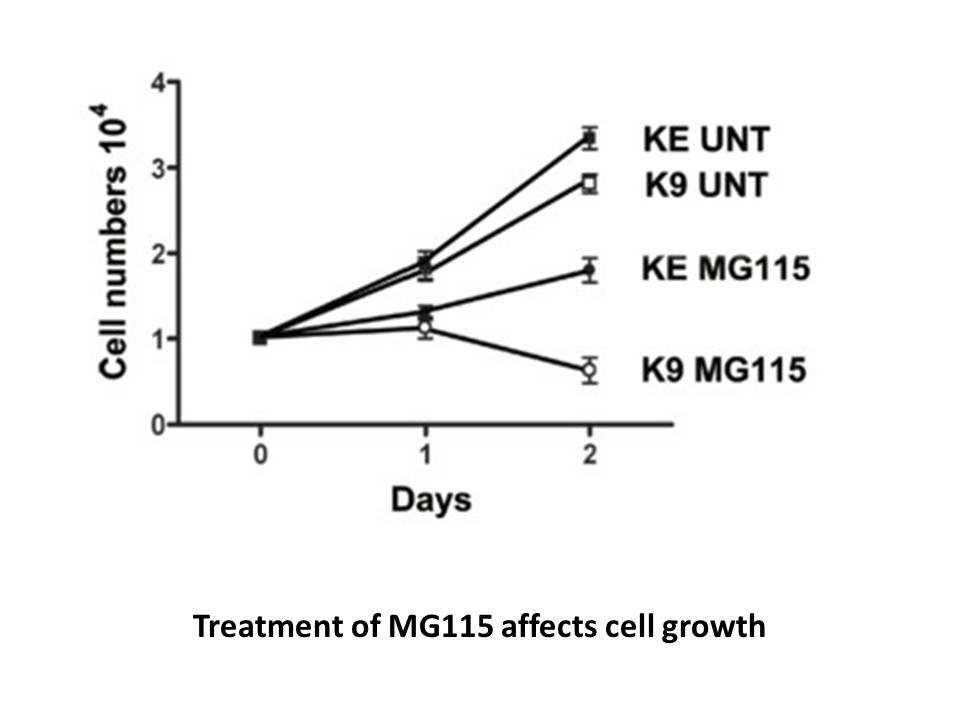
It is well accepted that PKA is a key enzyme activated at the beginning of the capacitation process [69]. As mentioned above phosphorylation/inactivation of cofilin in sperm is a PKA dependent process [58]. We could not see any change in cofilin phosphorylation level by adding the PKA activator 8Br-
-
Aurora kinases were initially identified as protein kinases
2023-09-26
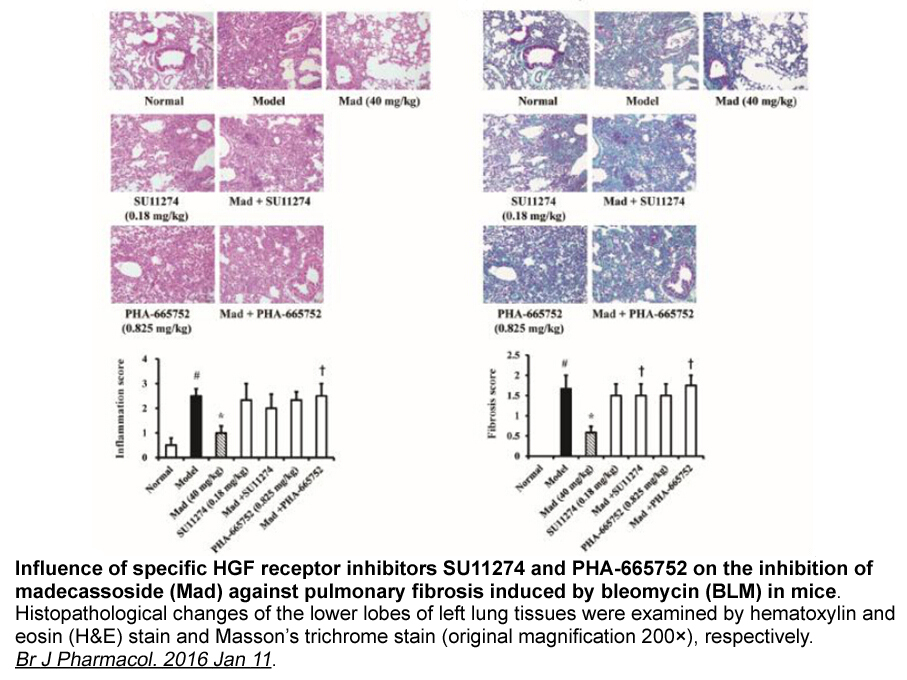
Aurora kinases were initially identified as protein kinases essential for error-free chromosome segregation during mitosis and meiosis. Aurora A appears to control premetaphase events, such as bipolar spindle assembly 3, 4, with Aurora B and C directing metaphase and postmetaphase events, including
-
Findings of the present study provide a
2023-09-26
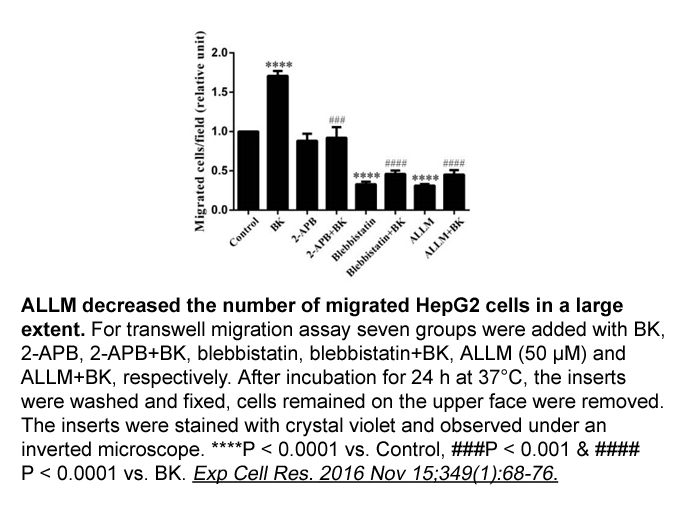
Findings of the present study provide a molecular mechanism for the elevated ASK1 expression in obesity and how it may be functionally linked to whole-body insulin resistance. The role our findings assign to increased E2F1 in upregulating ASK1 parallels the capacity of this transcription factor to r
-
The neural circuitry involved in the production
2023-09-26
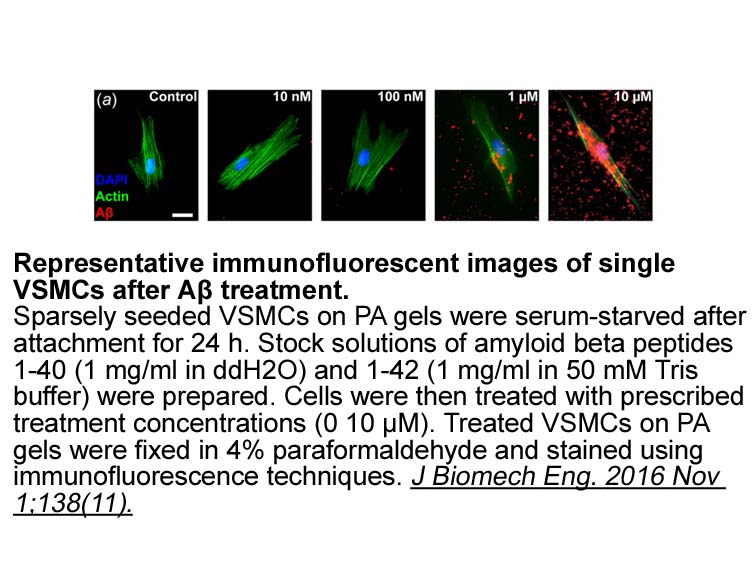
The neural circuitry involved in the production of the EOD, its modulations, and in the sensory processing of communication signals has been well characterized (Bell and Maler, 2005; Chacron et al., 2011; Krahe and Maler, 2014; reviewed in Metzner, 1999). Pacemaker cells located in the pacemaker nuc
-
br Technical Note Fungal spoilage of dairy products remains
2023-09-26
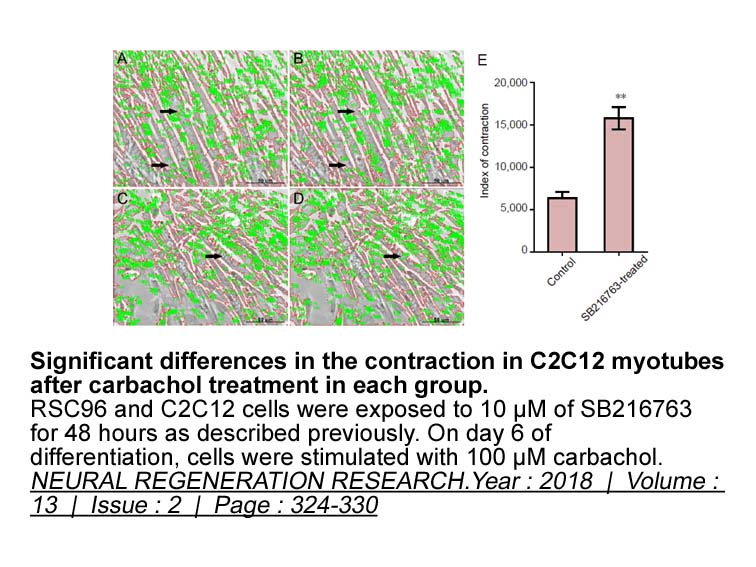
Technical Note Fungal spoilage of dairy products remains a major concern for dairy manufacturers despite the use of preventive and control approaches, including the use of chemical preservatives. Among methods that are increasingly used by industries for microbial contaminant control, biopreserva
-
br Antibiotic drug discovery approaches Traditionally
2023-09-26
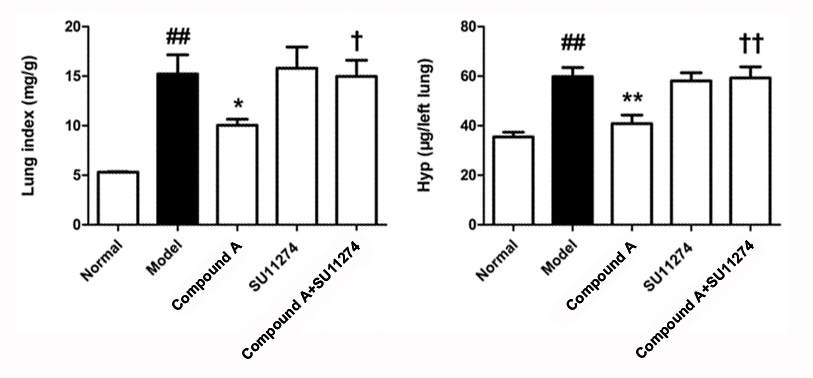
Antibiotic drug discovery approaches Traditionally, novel Gardiquimod were largely discovered by phenotypic screening approaches of various sources of compounds, such as natural products isolated from extracts of soil microbes and semi-synthetic or fully synthetic compound libraries derived from
-
In addition unconventional mechanisms of internalization can
2023-09-26
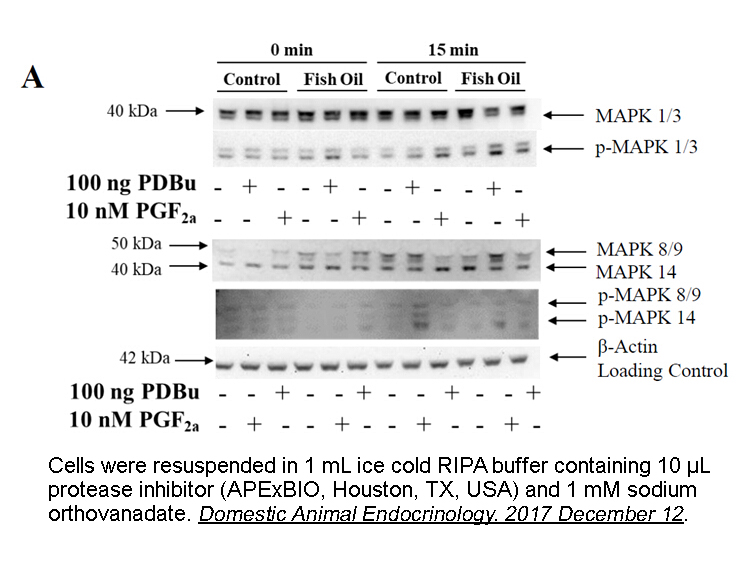
In addition, unconventional mechanisms of internalization cannot be ignored. It is generally believed that the conventional homologous internalization of a GPCR depends on the activation of G proteins, since GRK activation requires the pre-activation of G proteins (Fig. 2). Feng et al. demonstrated
-
Aconitase clusters are prone to oxidations and are among the
2023-09-26
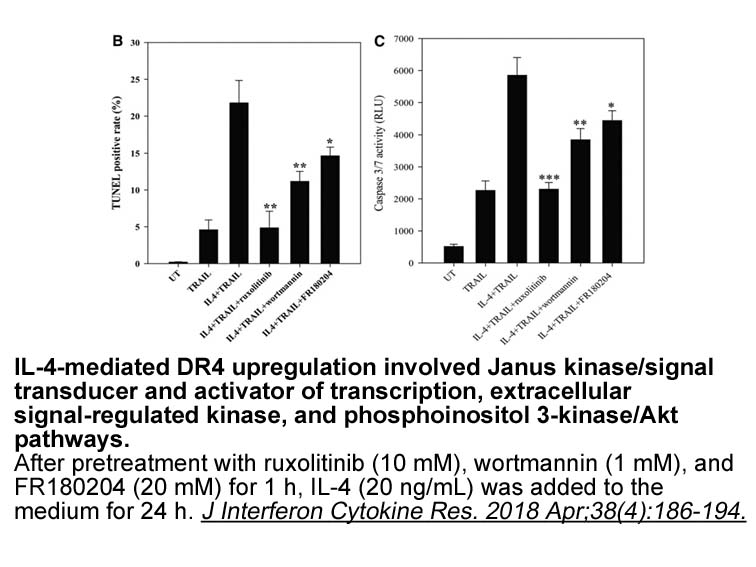
Aconitase clusters are prone to oxidations and are among the first to undergo a change in transition state during stages of electrophilic stress rendering them inactive [31]. Aconitase activity in LETO and OLETF did not differ at T0 suggesting that the early onset of insulin resistance may not be at
-
The androgen receptor gene AR is located on the X
2023-09-26
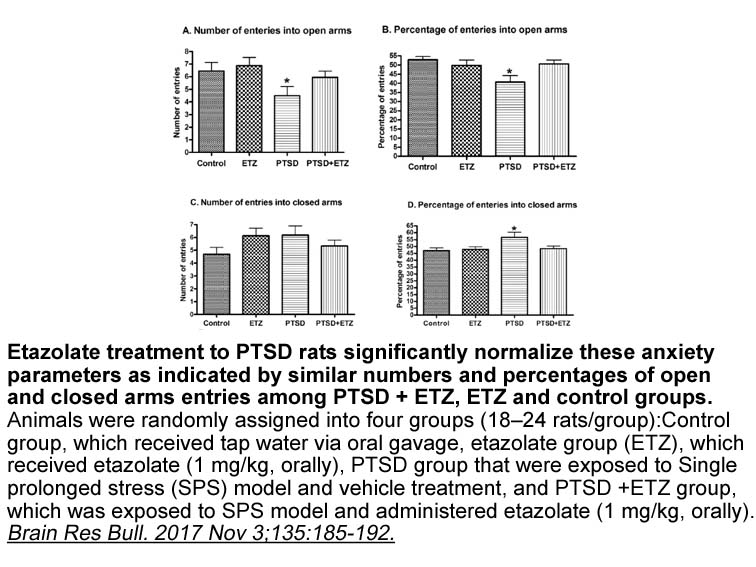
The androgen receptor gene (AR) is located on the X-chromosome and consists of eight exons in humans (Brown et al., 1989; Kuiper et al., 1989). The similar gene structure in mice, monotremes and marsupials indicates AR is highly conserved in mammals (Choong et al., 1998; Faber et al., 1991; He et al
-
br Steroidogenesis in the skin The synthesis
2023-09-26
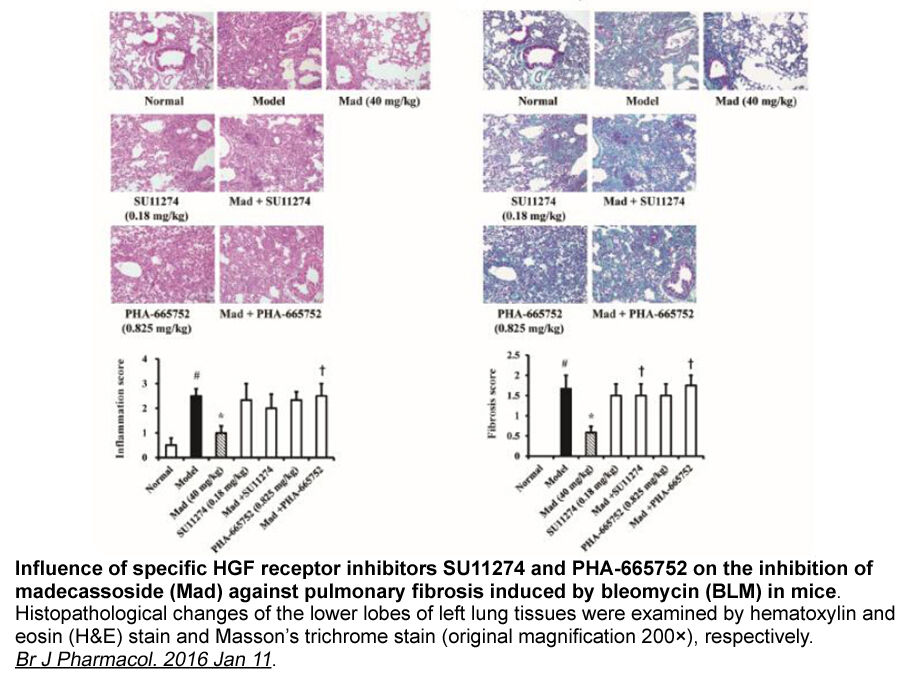
Steroidogenesis in the skin The synthesis of steroid hormones takes place in many tissues of which the adrenal glands, ovaries, testis, placenta and T7 High Yield RNA Synthesis are considered to be classical steroidogenic organs. Nevertheless, skin constitutes an important peripheral steroidogen
-
br STAR Methods br AMPK A Therapeutic Target
2023-09-26
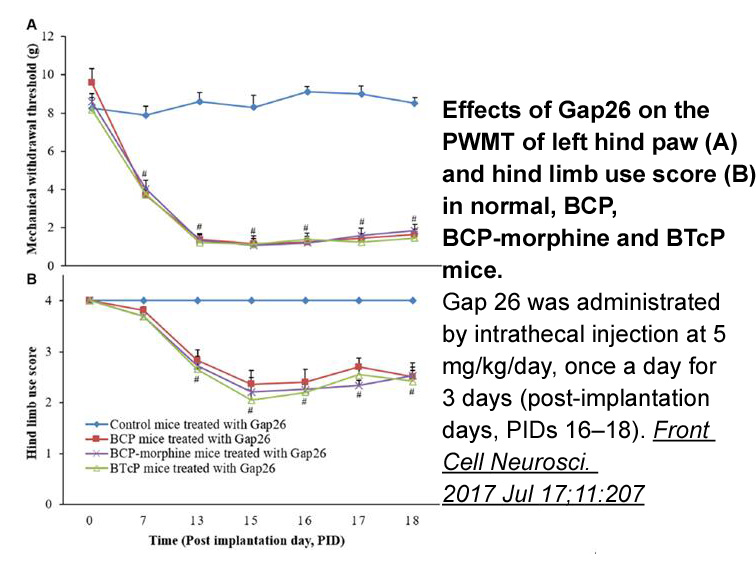
STAR★Methods AMPK: A Therapeutic Target in the β Cell? Loss of pancreatic β cell function is a hallmark of the transition to a diagnosis of T2DM (see Glossary) 1, 2, 3, 4. AMPK activation has gained attention for the treatment of hyperglycemia in prediabetes as an insulin-sensitizing agent bec
-
At the top of the S subsite cylinder are
2023-09-26
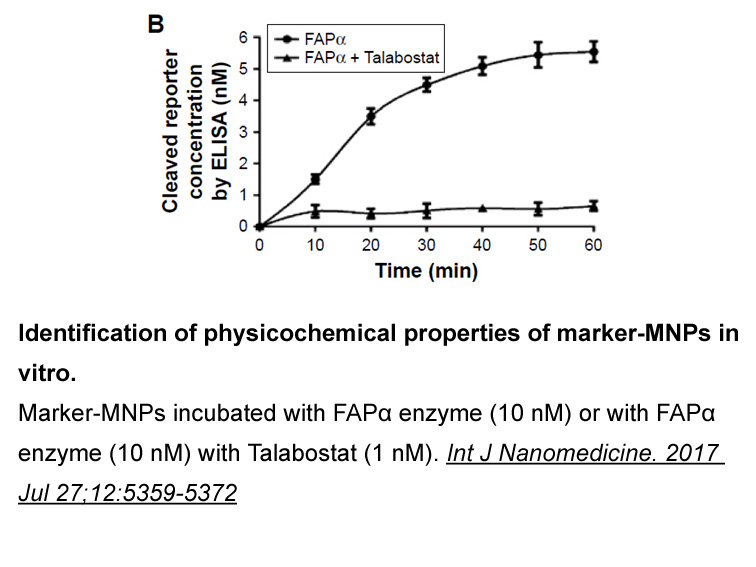
At the top of the S1 subsite cylinder are two “cap” residues: E572 and M1034 [13]. Atomic structures of PfA-M1 have revealed important clues into potential roles for the cap residues in substrate selection. In the PfA-M1:bestatin co-crystal structure ([13]; Fig. 1), the P1 phenyl ring occupies the S
-
The Cebu Longitudinal Health and
2023-09-26
The Cebu Longitudinal Health and Nutrition Survey (CLHNS) genome-wide association study investigated the genetic loci associated with plasma adiponectin in 1776 unrelated Filipino women. Adiponectin was strongly associated with three genetic positions: the gene CDH13 (rs3865188, P ≤ 7.2 × 10⁻¹⁶), ne
-
Our previous work fails to show any maternal effect
2023-09-26
Our previous work fails to show any maternal effect with blockade of 5-HT2A receptor, as acute and repeated treatment of MDL100907 does not alter maternal behavior at the behaviorally active doses (Chen et al., 2014). In the present study, MDL100907 pretreatment attenuated the maternal disruptive ef
-
Adenosine is a ubiquitous homeostatic substance
2023-09-26
Adenosine is a ubiquitous homeostatic substance released from most cells, including neurons and glias. Endogenous adenosine acts at four principal G-protein-associated receptor subtypes: A1, A2a, A2b and A3 (Ralevic and Burnstock, 1998). The stimulation of adenosine receptors by extracellular adenos
16141 records 289/1077 page Previous Next First page 上5页 286287288289290 下5页 Last page