Archives
- 2026-05
- 2026-04
- 2026-03
- 2026-02
- 2026-01
- 2025-12
- 2025-11
- 2025-10
- 2025-09
- 2025-03
- 2025-02
- 2025-01
- 2024-12
- 2024-11
- 2024-10
- 2024-09
- 2024-08
- 2024-07
- 2024-06
- 2024-05
- 2024-04
- 2024-03
- 2024-02
- 2024-01
- 2023-12
- 2023-11
- 2023-10
- 2023-09
- 2023-08
- 2023-07
- 2023-06
- 2023-05
- 2023-04
- 2023-03
- 2023-02
- 2023-01
- 2022-12
- 2022-11
- 2022-10
- 2022-09
- 2022-08
- 2022-07
- 2022-06
- 2022-05
- 2022-04
- 2022-03
- 2022-02
- 2022-01
- 2021-12
- 2021-11
- 2021-10
- 2021-09
- 2021-08
- 2021-07
- 2021-06
- 2021-05
- 2021-04
- 2021-03
- 2021-02
- 2021-01
- 2020-12
- 2020-11
- 2020-10
- 2020-09
- 2020-08
- 2020-07
- 2020-06
- 2020-05
- 2020-04
- 2020-03
- 2020-02
- 2020-01
- 2019-12
- 2019-11
- 2019-10
- 2019-09
- 2019-08
- 2019-07
- 2019-06
- 2019-05
- 2019-04
- 2018-07
-
Pyridoxine HCl As concerns TRPV assays benzylic
2022-03-24
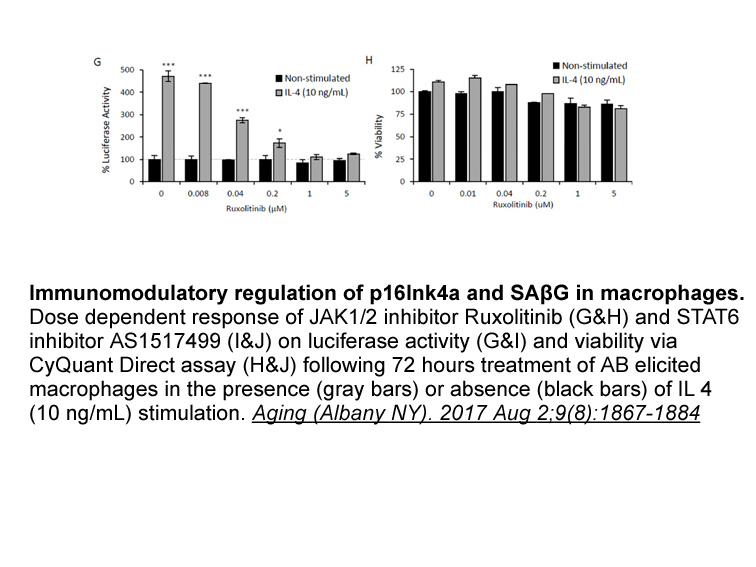
As concerns TRPV1 assays, benzylic amides and benzylic reverse amides exhibited an overall superiority over their aryl counterparts and , and ureas and . A reversed trend was however observed with the 4-chlorostyryl and 4--butylphenyl moieties (compare compounds and ; , , and ; and ). The EC a
-
Benazepril HCl receptor SETDB is ubiquitously expressed in m
2022-03-24
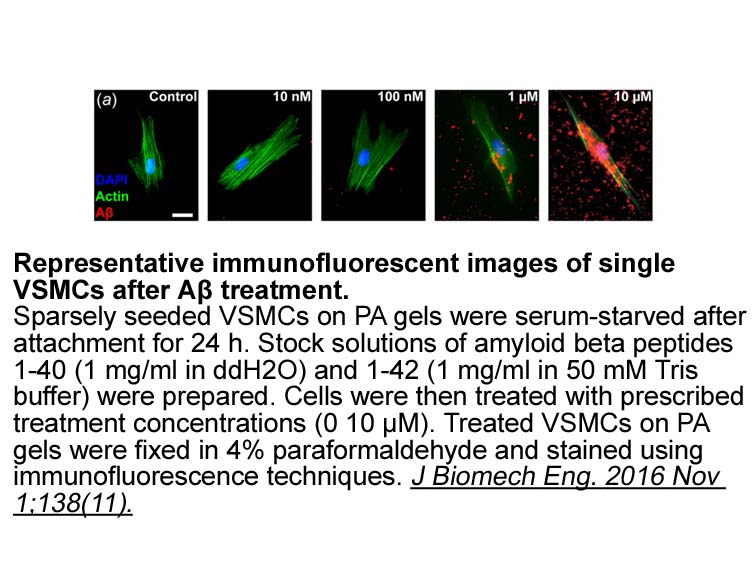
SETDB1 is ubiquitously expressed in mouse tissues, and more than 900,000 ERVs are dispersed through the mouse genome. Nevertheless, the repertoire of ERVs under the control of SETDB1 was limited and highly cell-type specific. Only 17,349 ERVs were associated with H3K9me3 domains in Th2 cells. The va
-
Histamine receptors were largely linked with allergic and
2022-03-24
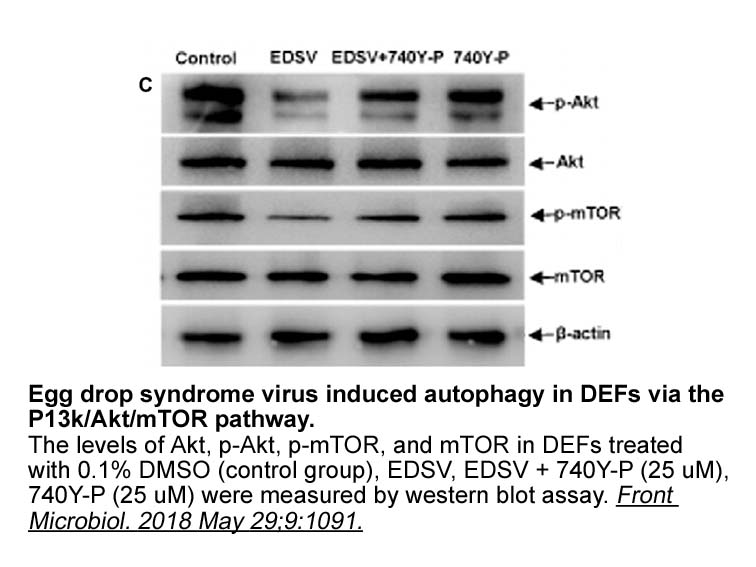
Histamine receptors were largely linked with allergic and inflammatory reactions before the recognition of the histamine H3R in 1983 that proved its function as auto- as well as heteroreceptor at pre- and postsynaptic membranes and demonstrated its intense regulating influence on release of numerous
-
MAP Ks act at the level of MST to phosphorylate
2022-03-24
MAP4Ks act at the level of MST1/2 to phosphorylate LATS1/2 and regulate the Hippo pathway (Box 1). Of particular interest is the involvement of MAP4K4, a key metabolic regulator [88] and common polymorphisms in the MAP4K4 locus are associated with T2D and insulin resistance [89] in adipogenesis. In
-
br Background To treat chronic HCV genotype GT
2022-03-24
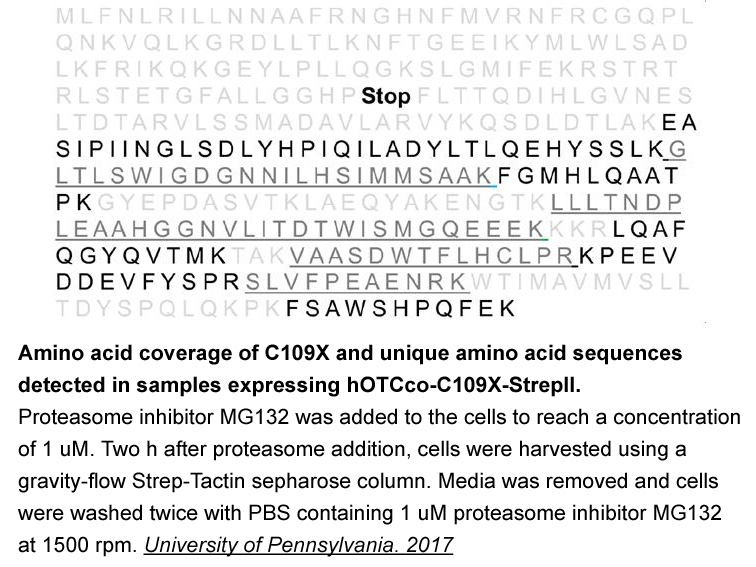
Background To treat chronic HCV genotype (GT) 1-infected patients, telaprevir (TLP) or boceprevir (BOC), first generation protease inhibitors (PIs), were used in combination with pegylated-interferon (PEG-IFN) and ribavirin (RBV) triple therapy [1], [2]. The main weaknesses of the first-generatio
-
miRNAs post transcriptionally regulate gene expression
2022-03-24
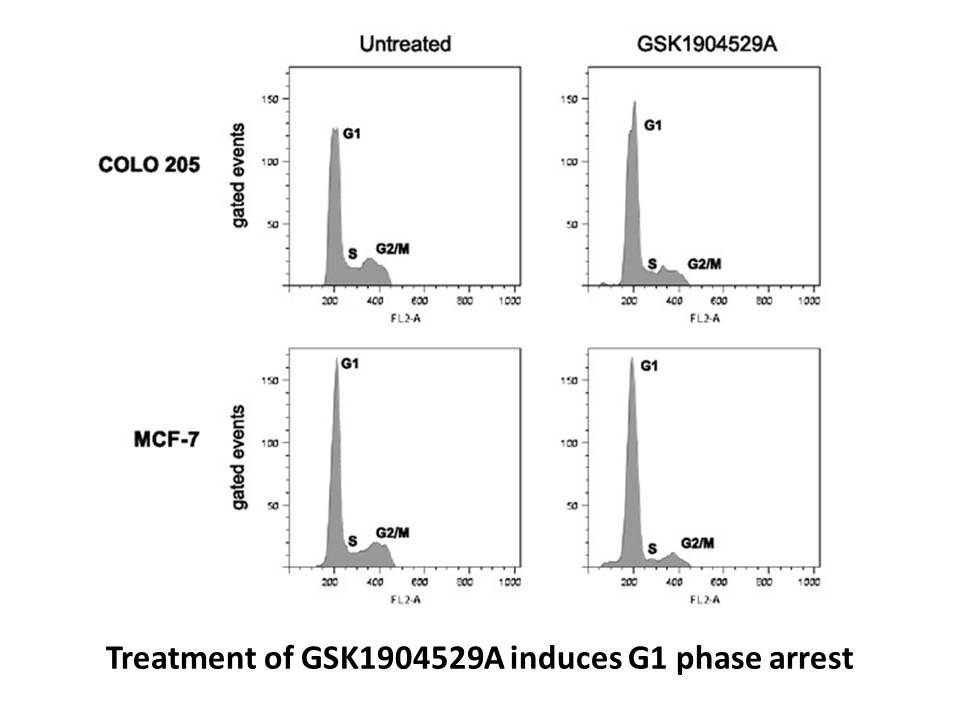
miRNAs post-transcriptionally regulate gene Santacruzamate A by cleaving mRNA or inhibiting translation of target gene transcripts. Vita analysis of HBV genome sequence suggested that miR-185-5p may not directly act on HBV mRNAs, which suggested that miR-185-5p might suppress HBV gene expression an
-
One important aspect about GSK
2022-03-24
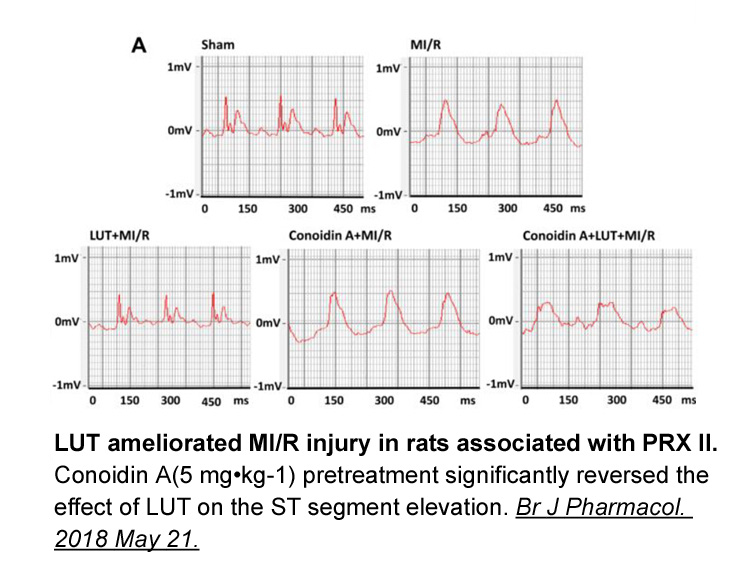
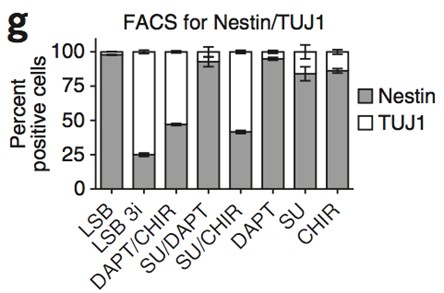
One important aspect about GSK-3 inhibitors is their effect on pluripotency of cox 2 inhibitors [4]. Many GSK-3 inhibitors are ATP-competitive and suppress both GSK-3alpha and GSK-3beta [476]. BIO was shown to suppress GSK-3 activity and promote Wnt/beta-catenin signaling. This combination of events
-
Calcium mobilization FLIPR assay CHO K cells
2022-03-24
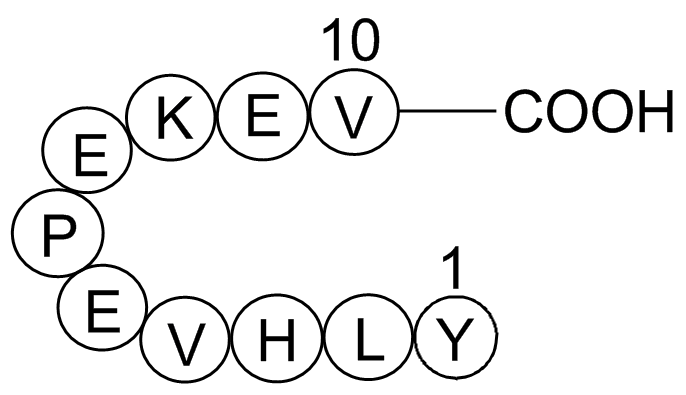
Calcium mobilization (FLIPR) assay: CHO-K1 cells expressing an NFAT-β-lactamase reporter and the promiscuous Gα-subunit Gqi5 were stably transfected with either empty vector (pCDNA3.1, Invitrogen) or vector expressing HA-GPR81, GPR109A or GPR109B. Cells were seeded at 10,000cells/well in 384-well cu
-
br Lysophosphatidylinositol LPI LPI is
2022-03-24
Lysophosphatidylinositol (LPI) LPI is a subspecies of lysophospholipid consisting of inositol as its head group, one glycerol molecule and one acyl chain (Piñeiro and Falasca, 2012). The biosynthesis of this lipid starts from Phosphatidylinositol (PI) and is catalysed by the enzymes phospholipase
-
GLP is an intestinal peptide hormone
2022-03-24
GLP-1 is an intestinal peptide hormone that is released by the gut following ingestion of food, particularly deoxythymidine and fats. Following its release, GLP-1 stimulates pancreatic β-cells to secrete insulin (Hirasawa et al., 2005, Covington et al., 2006). Originally, GLP-1 acted in a similar m
-
br FXR Agonists Azepinol b indole hEC nM
2022-03-24
FXR Agonists Azepinol[4,5-b]indole 1 (hEC50=600nM, efficacy (eff)=100%) was identified as a FXR agonist lead from a high-throughput screening effort. Structure–activity relationship (SAR) studies around the azepine ring demonstrated that dialkyl substitution at C-1 led to a 30-fold improvement in
-
The original Bee Synch methodology now termed Bee Synch I
2022-03-24

The original Bee Synch methodology (now termed Bee Synch I) utilizes a 5-day CIDR, GnRH (GnRH-1) and PGF on day 0, double dose of PGF on day 5, and FTAI with GnRH (GnRH-2) at 66 h after CIDR removal. Cruppe et al. (2014) reported that the inclusion of GnRH on day 0 does not contribute appreciably to
-
br Methods br Results br Discussion LPD in terms of
2022-03-24
Methods Results Discussion LPD, in terms of insufficient secretion of progesterone by the CL, reflected by low serum progesterone levels can occur in IVF attempts using any kind of ovarian stimulation protocol (Fatemi et al., 2007, Garcia et al., 1981, Van der Linden et al., 2011). However,
-
The advent of next generation sequencing NGS has shown
2022-03-24

The advent of next-generation sequencing (NGS) has shown that considerable variation in human genome is still undiscovered and therefore a considerable number of rare variations that are related to disease susceptibility may still be unknown. NGS has allowed to strengthen the association between los
-
For several parasites of veterinary importance there is a gr
2022-03-24
For several parasites of veterinary importance, there is a growing body of evidence that resistance to ML is, at least in part, mediated by ABC transporters (P-glycoproteins) (Whittaker et al., 2017). P-glycoproteins (Pgps) are members of the ATP-binding cassette transporter family that are well kno
16143 records 502/1077 page Previous Next First page 上5页 501502503504505 下5页 Last page