Archives
- 2026-10
- 2026-09
- 2026-08
- 2026-07
- 2026-06
- 2026-05
- 2026-04
- 2026-03
- 2026-02
- 2026-01
- 2025-12
- 2025-11
- 2025-10
- 2025-09
- 2025-03
- 2025-02
- 2025-01
- 2024-12
- 2024-11
- 2024-10
- 2024-09
- 2024-08
- 2024-07
- 2024-06
- 2024-05
- 2024-04
- 2024-03
- 2024-02
- 2024-01
- 2023-12
- 2023-11
- 2023-10
- 2023-09
- 2023-08
- 2023-07
- 2023-06
- 2023-05
- 2023-04
- 2023-03
- 2023-02
- 2023-01
- 2022-12
- 2022-11
- 2022-10
- 2022-09
- 2022-08
- 2022-07
- 2022-06
- 2022-05
- 2022-04
- 2022-03
- 2022-02
- 2022-01
-
In addition to indoles two
2022-01-03
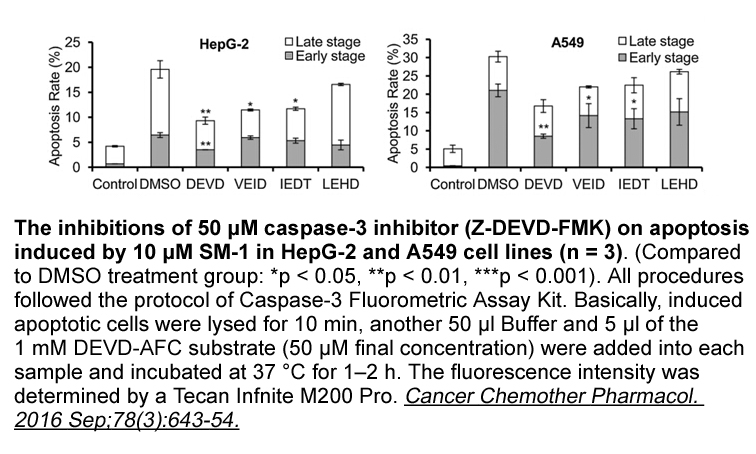
In addition to indoles –, two additional structural variants were synthesized to explore the synthetic flexibility and structure–activity relationships of this system. The first of these was the homologation of the acetic tyramide side chain to prepare compound (). The extension of the chain was exp
-
The finding that a peptide consisting
2022-01-03
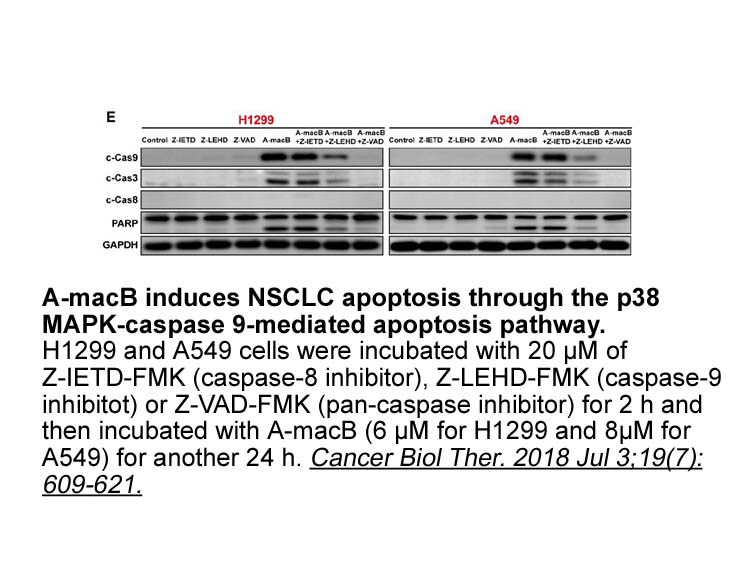
The finding that a peptide consisting of d-amino acids binds to LSD1-CoREST1 with equal affinity as the l-amino Cytarabine ligand indicates that the assays detect a generally non-specific association between two highly charged molecules. Nonetheless, p53-CTD is an effective inhibitor of LSD1 and it
-
In humans mutations in KDM A KDM B and
2022-01-03
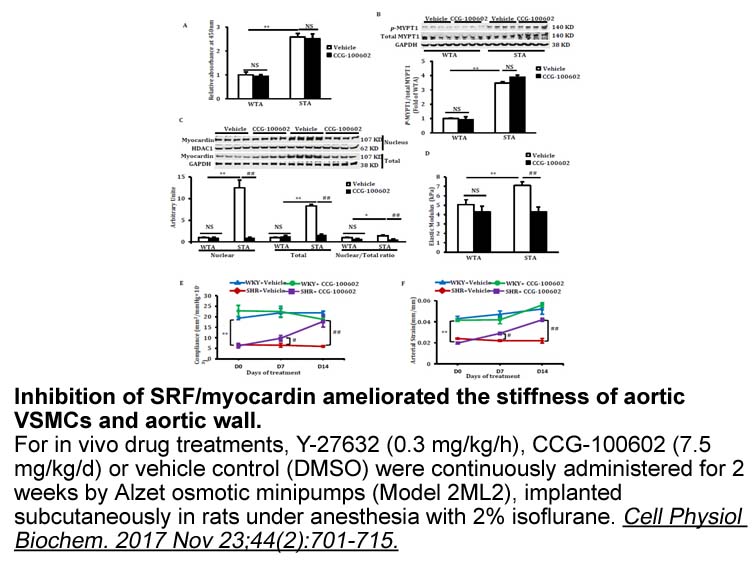
In humans, mutations in KDM5A, KDM5B, and KDM5C are found in patients with ID, implicating KDM5-regulated transcription in the development or activity of neuronal tissues (Vallianatos and Iwase, 2015). KDM5D is Y-linked, and its role in cognition remains uncharacterized. Mutations in KDM5C are the m
8478 records 566/566 page Previous First page 上5页 566